Unauthorized and Unstoppable: The Fan Remix Underground Rewriting the Rules of Music Ownership
There's a version of your favorite song out there that the artist never approved, the label never cleared, and a copyright lawyer would probably lose sleep over. It's got 800,000 plays on SoundCloud. The comments are full of people saying it's better than the original.
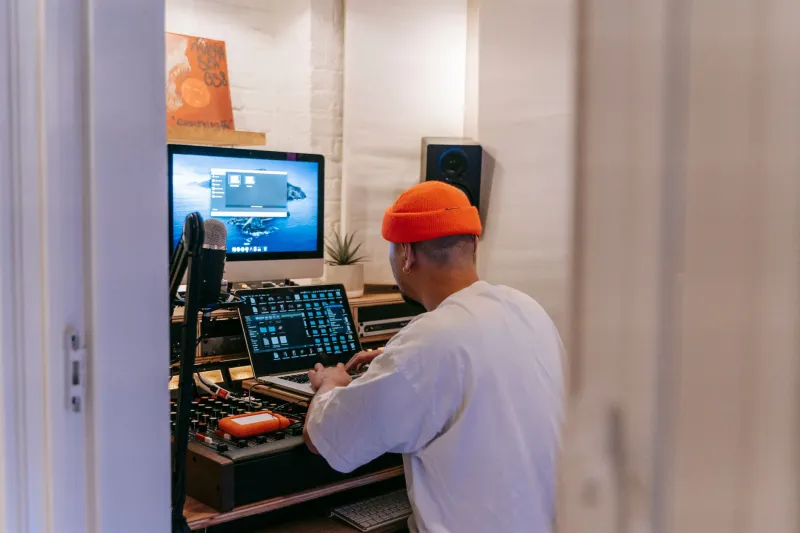
Welcome to the fan remix underground—a sprawling, semi-invisible creative economy where bedroom producers are flipping commercially released tracks into something entirely their own, uploading them without permission, and daring the internet to care more about the music than the paperwork.
Spoiler: the internet usually does.
What We're Actually Talking About
Let's be specific, because this world has layers. There's a difference between a fan remix—where someone takes the official stems or a ripped audio file and rebuilds the production—and a bootleg edit, which is more of a DJ-culture rework meant for dancefloors rather than streaming charts. Then there are mashups, which blend two or more existing songs into something new, and slowed-and-reverb versions, which are arguably the most popular form of unauthorized fan-made music circulating right now.
None of these are technically legal without a license. All of them are everywhere.
SoundCloud has historically been the home base. The platform's roots in DJ culture and its relatively relaxed enforcement environment made it the default destination for anyone who wanted to post a rework without going through the nightmare of music licensing. YouTube is the second frontier—bootleg edits routinely rack up millions of views before they're taken down, and even after a takedown, they resurface within hours under slightly different titles.
The community that's built up around this stuff isn't some fringe corner of the internet. It's a genuine creative ecosystem with its own stars, its own taste-making accounts, and its own unspoken rules about what makes a good rework versus a lazy cash-grab.
The Gray Area Is the Point
Here's where it gets interesting: copyright law in the United States is genuinely complicated when it comes to fan remixes, and that ambiguity is part of what keeps this world alive.
The legal doctrine of fair use allows for some transformation of copyrighted material, but it's a case-by-case analysis that depends on factors like how much of the original was used, whether the new work is transformative, and—crucially—whether it affects the market for the original. A fan remix that drives more people to buy the original on Bandcamp or stream it on Spotify could theoretically argue it's not harming the market. Courts have gone both ways on similar arguments.
What this means practically is that most rights holders operate on a vibes-based enforcement strategy. Major labels tend to send automated takedowns en masse, catching fan edits alongside actual piracy. Independent artists are all over the map—some actively encourage remixing as a form of promotion, others feel their work is being exploited without credit or compensation.
The gray area isn't an accident. For a lot of fans, it's the whole appeal. There's something punk about building something beautiful inside a legal gray zone, and the community knows it.
How Artists Are Actually Responding
The responses from artists themselves are fascinating, and they don't break down the way you'd expect along major-label versus indie lines.
Some artists have leaned all the way in. A handful of producers—particularly in the electronic and hip-hop spaces—have started releasing official stems specifically so fans can remix without the legal headache. It's a community-building move as much as a creative one. When you hand your fans the raw materials, you're essentially saying: this music belongs to the culture now, not just to me.
Others have quietly adopted a look-the-other-way policy. If a bootleg edit of their track is getting 2 million plays and introducing their music to a whole new audience, the math on sending a takedown notice starts to look pretty bad. Several artists have even reposted fan remixes to their own pages, blurring the line between official and unauthorized in a way that feels entirely intentional.
Then there are the artists who are genuinely hurt by it. Particularly for smaller independent musicians, watching someone else profit—even just in clout and streams—off your music without credit or compensation stings. It's one thing when a major pop star's track gets the bootleg treatment. It's another when it's your debut EP that you funded out of pocket.
The Communities Where This Lives
If you want to understand the fan remix world, you have to understand the communities that sustain it. This isn't just about individual creators posting tracks—it's about scenes.
On SoundCloud, there are loose networks of producers who trade feedback, share techniques, and develop aesthetic identities together. The slowed-and-reverb community, for example, has developed a genuinely distinctive sound that's migrated from SoundCloud to TikTok to mainstream playlists—a trajectory that started entirely in unauthorized territory.
On Reddit and Discord, you'll find dedicated communities for specific genres and remix styles, where people debate the ethics of unauthorized posting alongside tutorials on how to do it. The conversation about ownership and credit is actually pretty sophisticated in these spaces. People care about the ethics. They just don't always let those ethics stop them.
TikTok has added another dimension. Fan-edited audio clips—technically unauthorized—have become the backbone of viral trends that generate enormous commercial value for the original rights holders. The platform's licensing deals with major labels technically cover some of this, but the specifics are murky, and independent artists are often left out of that arrangement entirely.
What It Actually Means
At the center of all this is a question that the music industry hasn't fully answered yet: when does a fan's relationship with a song give them a kind of moral claim on it, even if the legal claim belongs to someone else?
This isn't a new question—it's basically the question that defines fan culture in every medium. But music has a particular intimacy to it. People build their identities around songs. They hear themselves in lyrics. They feel like the music was made for them specifically, even when it obviously wasn't.
When someone remixes a track, they're not just showing off their production chops. They're saying: this song matters enough to me that I need to do something with it. I need to make it mine.
That impulse is genuinely beautiful, even when the execution lands in legally questionable territory. The challenge for artists, platforms, and the broader music community is figuring out how to honor that impulse without leaving creators—especially the smaller ones—holding the bag.
For now, the bootlegs keep uploading, the communities keep thriving, and somewhere in a bedroom studio, someone is halfway through a remix that nobody asked for and everybody's about to need.
