The Evolution of the Artist Profile: How Musicians Are Rewriting Their Own Stories Online

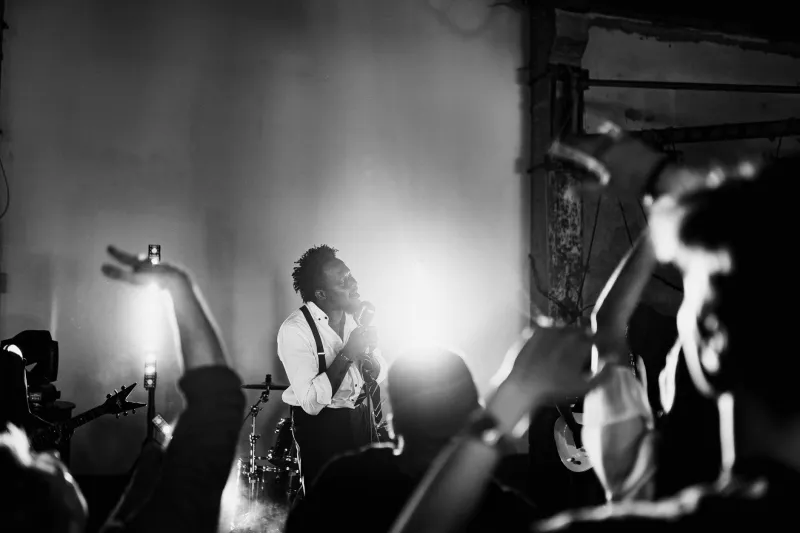
Photo by Photo by Szabo Viktor on Unsplash on Unsplash
There was a time when knowing an artist meant reading a three-sentence bio on the back of a CD insert. Maybe a press photo. Maybe a quote that their label's publicist wrote for them. That was it. That was the whole picture.
Fast forward to now, and the artist profile has become something else entirely — a living, breathing, constantly shifting creative expression that fans engage with just as deeply as the music itself. The way a musician curates their online presence, tells their story, and evolves their identity over time has become its own kind of art form.
And honestly? It's one of the most fascinating things happening in culture right now.
From Static Bios to Living Narratives
Back in the early internet days, an artist's profile was basically a digital brochure. You had your discography, a tour schedule, maybe a guestbook if the webmaster was feeling generous. There wasn't much room for personality, and there definitely wasn't a feedback loop between artist and fan.
Then came MySpace, and everything changed. Suddenly musicians could pick their own background, curate their Top 8, blast an autoplay track the second you landed on their page. It was chaotic and loud and completely personal. For the first time, the profile felt like the person.
That spirit never really went away — it just kept evolving. Instagram gave artists a visual language. Twitter gave them a voice in real time. Bandcamp gave them a storefront that also doubled as a manifesto. And now, platforms like TikTok have turned the profile into something closer to a serialized story, one short clip at a time.
The Profile as Identity Work
Here's what's interesting: for a lot of independent and emerging artists, building and refining their online profile isn't a marketing task — it's identity work. It's how they figure out who they are as an artist, in public, with an audience watching.
Take the way artists in the lo-fi and bedroom pop world handle this. Their profiles tend to be deliberately understated — soft colors, candid photos, handwritten notes. That aesthetic is the statement. It's saying: I'm not a product. I'm a person making things in a room somewhere, and I'd like you to know that.
On the other end of the spectrum, you've got artists who treat their profiles like a full multimedia experience — rolling out visual identities with each project, changing their handles, dropping cryptic posts that get fans theorizing in the comments for weeks. It's performance art that happens to live inside an app.
Neither approach is wrong. Both are intentional. And both reflect how seriously artists are taking the question of who they are online.
The Fan's Role in Shaping the Story
Here's something that doesn't get talked about enough: fans don't just consume the artist profile. They co-author it.
Every fan edit, every fan account, every Reddit thread breaking down an artist's lyrical evolution — that's all part of the profile now. It exists alongside the official stuff and sometimes outpaces it. Fans will notice a shift in an artist's aesthetic months before any official announcement. They'll track the evolution through archived posts, deleted tweets, and old SoundCloud uploads that never got the spotlight they deserved.
In this way, the artist profile has become a collaborative document. The artist writes the first draft, but the community adds the annotations, the context, the deeper meaning. And artists who understand this tend to build the most loyal followings.
When Artists Reinvent Themselves
One of the most compelling moments in any artist's career is the pivot — the moment when the profile shifts and everything you thought you knew about them gets complicated in the best possible way.
Think about how many artists have used a change in their online presence to signal a new era before a single note of new music dropped. A new profile photo. A cleared Instagram grid. A cryptic bio update. Fans have learned to read these signals like tea leaves, and artists have learned to use them intentionally.
This kind of reinvention isn't new — musicians have always evolved. But the internet has made that evolution visible in real time, and it's made the process of changing just as compelling as the end result. You're not just watching an artist drop a new album. You're watching them become someone new, step by step, post by post.
Building a Profile That Lasts
For up-and-coming artists trying to figure out their own online identity, the noise can feel overwhelming. Every platform has its own logic, its own culture, its own unwritten rules. It's a lot to navigate.
But the artists who seem to build the most durable profiles — the ones that feel authentic across years and platform changes — tend to follow a few common instincts:
Consistency over virality. A profile that shows up regularly and honestly, even without massive engagement spikes, builds more trust over time than one that chases trends.
Let the music lead. The best artist profiles are extensions of the work, not replacements for it. When the aesthetic and the sound are in conversation with each other, everything clicks.
Don't be afraid to show the process. Fans connect with the journey. Studio sessions, rough drafts, creative dead ends — all of it adds texture to the story and makes the finished product feel earned.
Own your evolution. Trying to stay the same artist forever is a losing game. The profiles that age best are the ones that allow for change without apologizing for it.
The Profile Is Never Finished
Maybe the most important thing to understand about the modern artist profile is that it's not a destination. It's not something you build once and then maintain. It's an ongoing conversation — with your audience, with your own creative instincts, with the culture you're part of.
The artists who get this tend to treat their online presence the same way they treat their music: as something that deserves real thought, real care, and real room to grow.
And for fans who've been following along through every era, every aesthetic shift, every surprise drop and cryptic post — that evolution is part of what makes the connection feel real. You're not just a listener. You're a witness. And that matters.
So next time you scroll through an artist's profile and notice something has changed — a new vibe, a different energy, a subtle shift in how they're presenting themselves — pay attention. That's not just content. That's an artist figuring themselves out in front of you.
And honestly, there's nothing more human than that.