When You Make It Yours: How Cover Songs Became the Language of Fan Love
There's a moment — you've probably felt it — when you hear a song you've known your whole life suddenly sound completely different. Not worse. Not better, necessarily. Just new. Like someone handed you a familiar photograph and you noticed for the first time that the light was hitting something in the background you'd never seen before.
That's what a great cover does. And people are doing it everywhere right now.
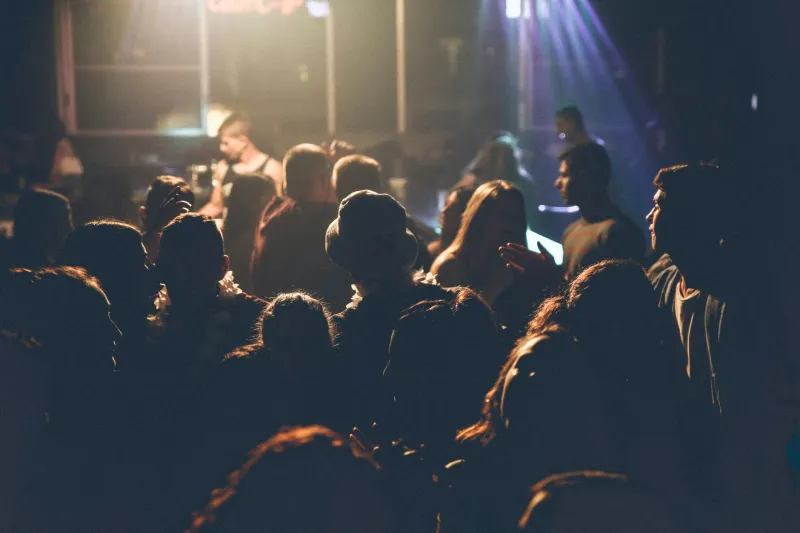
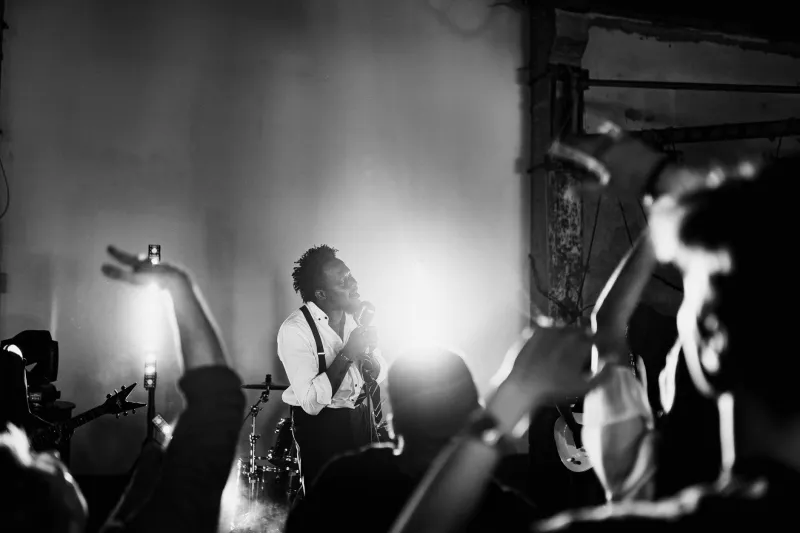
From SoundCloud uploads at 2 a.m. to packed local venues where a four-piece band from Columbus or Oakland or Nashville takes a Fleetwood Mac deep cut and turns it inside out — the cover song is having a serious moment. But it's not the tribute-band, karaoke-adjacent version of covering a song that most people picture. This is something messier, more personal, and honestly more interesting.
It's Not Tribute. It's Dialogue.
For a long time, covering someone else's song carried a kind of creative baggage. It implied you didn't have enough original ideas. Or that you were stuck in the past, polishing someone else's legacy for a bar crowd who wanted to hear the hits. That reputation wasn't totally unfair.
But the way artists — and fans — are approaching covers now? It's fundamentally different. The goal isn't to recreate. It's to respond.
Think about what Hozier did with his live rendition of "Fast Car" by Tracy Chapman. Or the viral moment when a bedroom pop producer on TikTok slowed down a Kendrick Lamar track, stripped it to its bones, and reharmonized the whole thing over a lo-fi piano loop. The original song didn't disappear. It became a jumping-off point for something else entirely — a new argument about what the song was really about.
That's the remix effect. Not just changing the tempo or swapping the genre. Changing the meaning.
The Bedroom Producer Era Changed Everything
Access is the big story here. Twenty years ago, putting your own spin on a song and sharing it with the world required either a record deal or a serious DIY infrastructure. Now it requires a laptop, a decent microphone, and an internet connection.
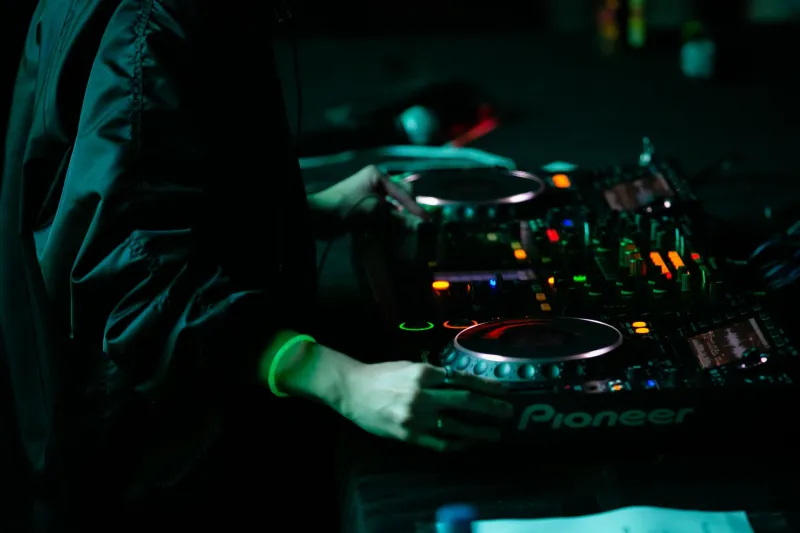
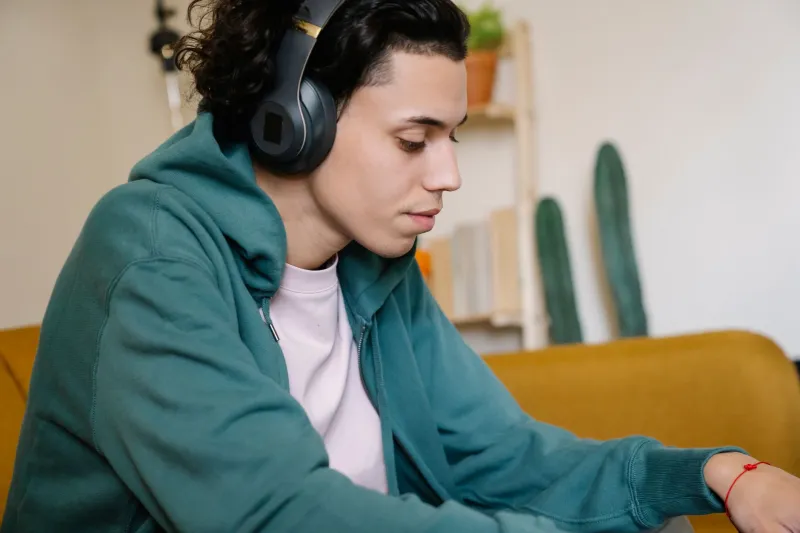
That shift has unleashed something wild. On any given weekend, there are probably thousands of people across the US sitting in their home studios — or their actual bedrooms, or a corner of their apartment with a blanket over the window for soundproofing — building something new out of someone else's raw material.
And the community around it is real. Cover artists on YouTube have built subscriber bases that rival mid-level major label acts. There are entire Discord servers dedicated to critiquing and workshopping cover arrangements. Producers share stems and stems get flipped and suddenly a song written in 1987 has seventeen different lives in 2024.
This isn't plagiarism dressed up as creativity. It's more like jazz musicians trading phrases across the bandstand — a conversation that assumes you already know the original language.
Local Scenes Are Where It Gets Really Good
If you want to see the cover song at its most alive, skip the tribute bands and find your city's DIY venues.
In cities like Chicago, Austin, Philadelphia, and Portland, there are bands doing something genuinely exciting with the concept. They're not playing Fleetwood Mac songs because they love Fleetwood Mac. They're playing Fleetwood Mac songs because those songs are about something, and they have their own take on what that something is — and they want to argue with you about it from the stage.
A punk band covering a Taylor Swift song isn't being ironic. A jazz quartet covering a Beyoncé track isn't being cute. These are acts of interpretation. They're saying: this song belongs to all of us now, and here's what it means to us.
That kind of thing builds community in a way that original setlists sometimes can't. When you hear a song you already love transformed into something unexpected, you don't just appreciate the performance — you start seeing the original differently. You go home and listen to it again. You text someone about it. You end up in a conversation you wouldn't have had otherwise.
Fans Are Doing It Too — And That's the Real Story
Here's where it gets genuinely interesting from a cultural standpoint: the line between "artist" and "fan" in this space has basically dissolved.
The people uploading cover versions to Bandcamp and TikTok and YouTube aren't all working musicians with booking agents and merch tables. A huge chunk of them are just fans — people who loved a song so much they needed to do something with that love. And putting your own version out into the world is one of the more radical things you can do with a feeling.
It's vulnerable. You're inviting comparison. You're saying, I heard this song and it meant something to me, and here's the proof. That's not a small thing.
And when a fan cover goes viral — which happens more than you'd think — something interesting happens to the relationship between that fan and the original artist. It becomes mutual. The artist sees how their work landed. The fan gets acknowledged. The song grows a new layer of meaning that neither of them could have created alone.
That's community. That's the whole thing.
Why the Best Covers Are Acts of Love and Argument
There's a tension at the heart of every great cover: you have to love the original enough to want to engage with it, but you also have to be willing to push back against it. The covers that don't work are usually the ones that tip too far in one direction — either they're so reverent they add nothing, or they're so determined to be different that they lose the thread entirely.
The ones that stick are the ones where you can feel both forces at work. Respect and resistance. Admiration and a willingness to say, but what if it went like this?
That's not just a musical instinct. It's the same thing that makes any creative community worth being part of. You show up, you engage with what's already there, and you add your voice to it. You change it a little by being part of it. And then you pass it on.
The cover song, at its best, is just that cycle made audible. A chain of people saying this mattered to me — and then proving it.
So the next time you hear a band tear into a song you thought you knew, or stumble across a bedroom producer's version of something that's been in your library for years, pay attention to what they're doing with it. They're not just covering a song.
They're starting a conversation. And they're inviting you in.