Forget the Feed: How Underground Artists Are Building Loyal Audiences One Real Conversation at a Time
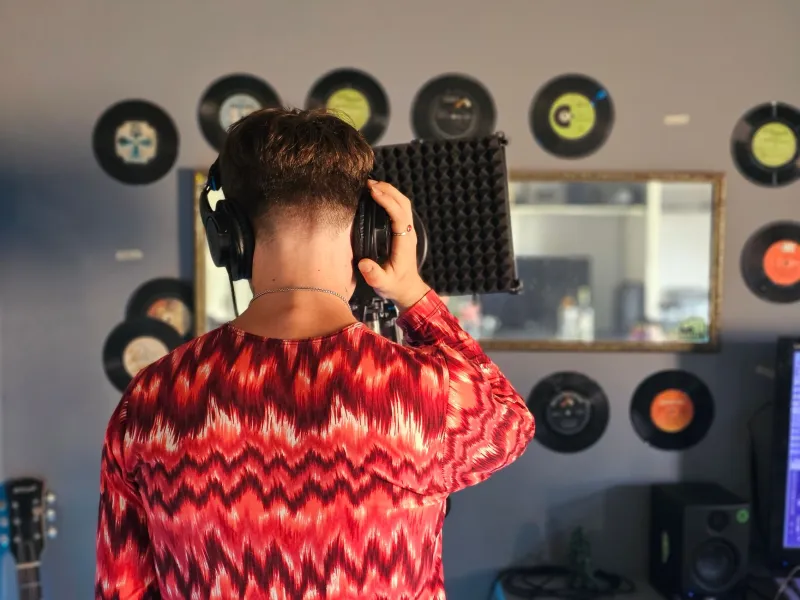
There's a moment that Chicago-based producer and vocalist Dani Osei describes as her "algorithm reckoning." It was late 2022, and she'd just watched a carefully crafted Instagram reel — three days of editing, a borrowed ring light, a trending audio clip she didn't even like — get buried under a wave of content within 48 hours. Seventeen likes. Zero new listeners.
"I realized I was making content for a machine," she says. "And the machine didn't care about me at all."
So she stopped. Not music — just the performance of it. Instead, she opened a Discord server, invited the 40 or so people who'd actually messaged her before, and started talking. About her process. About the samples she was flipping. About the albums she was obsessing over. Within six months, that server had grown to over 600 members — none of them algorithmic accidents. All of them genuinely there.
Dani's story isn't unique. Across the country, a quiet but meaningful shift is happening in how independent artists think about discovery, community, and what it actually means to build a career.
The Playlist Dream and Why It Broke Down
For a few years, getting placed on a Spotify editorial playlist felt like the golden ticket. And for some artists, it still moves numbers. But the math has gotten brutal. With over 100,000 tracks uploaded to streaming platforms every single day, algorithmic placement has become a lottery — one where the house almost always wins.
Worse, the fans you gain through a playlist recommendation are often shallow ones. They heard your song in a "Chill Vibes" mix between two artists they actually follow. They may never seek you out again. The algorithm gave you a moment, not a relationship.
"Streams don't show up to your merch table," says Marcus Webb, a hip-hop artist out of Atlanta who's been releasing music independently since 2019. "Real fans do."
Marcus built his community the old-fashioned way — through his neighborhood, through local barber shops, and eventually through a weekly live session he started hosting on Twitch. Not a polished performance stream. Just him in his home studio, working on beats, answering questions, playing things before they were finished. His Twitch community became the nucleus of everything else: the people who buy his tapes, who come to his shows, who tell their cousins about him.
"I've got maybe 3,000 real followers across everything," he says. "But those 3,000 people? They're mine."
Discord, Radio, and the Return of Word of Mouth
The tools independent artists are using to build these communities vary, but a few keep coming up in conversation.
Discord servers have become something like a modern-day fan club — except they're more collaborative and less hierarchical. Artists use them to share works-in-progress, run listening parties, and have actual back-and-forth conversations with the people who care about their music. The intimacy of a Discord channel, where a fan can post a reaction and get a direct reply from the artist themselves, creates a sense of belonging that no algorithm can manufacture.
Community radio is another channel that's seen a genuine resurgence. Stations like KEXP in Seattle, WFMU in New Jersey, and dozens of smaller college and community stations around the country have become crucial launchpads for artists who don't fit the streaming mold. These stations are run by humans who love music — DJs who dig through submissions because they actually want to find something great. Getting spun on a beloved local station carries a kind of credibility that a playlist placement simply doesn't.
Some artists are even hosting their own micro-radio shows through platforms like Mixcloud or broadcasting live sets on community platforms, essentially becoming their own programmers. It's a lot of work, but it puts them in direct contact with listeners who are actively choosing to tune in.
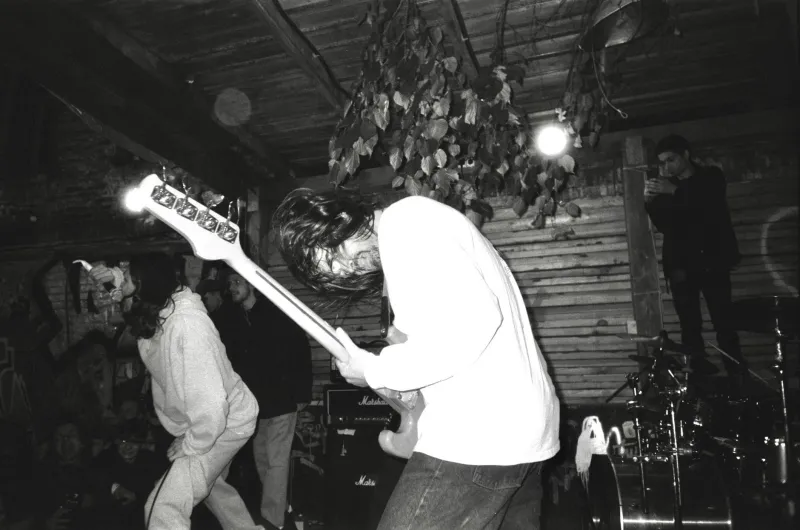
And then there's the oldest tool in the book: word of mouth. Artists like Selena Varga, a folk-punk songwriter based in Portland, Oregon, have leaned hard into this by treating every show — even a 12-person house show — like it matters. Because it does. "If I play a good set for 15 people and I actually talk to them after, three of those people are going to tell someone else," she says. "That's how it's always worked. The internet just made us forget."
What "Sustainable" Actually Looks Like
One of the most important things about this approach is that it reframes what success means. These artists aren't chasing virality. They're building something more like a small business with loyal customers — and they're thinking about sustainability in very practical terms.
Patreon and Bandcamp remain go-to platforms for turning community into income. A Discord server of 600 engaged fans can translate into meaningful Patreon revenue if even a fraction of them subscribe at a few dollars a month. Bandcamp's model — where artists keep the majority of sales — rewards the kind of dedicated fan who wants to own your music, not just stream it.
But beyond the money, there's something else these artists talk about: creative control. When you're not chasing the algorithm, you're not chasing trends. You make the music you want to make, for the people who actually want to hear it. That creative freedom, they'll tell you, is worth more than any playlist placement.
"I made a 22-minute ambient piece last fall," says Dani Osei. "No hooks, no structure, just texture and feeling. My Discord people lost their minds over it. They wanted stems. They wanted to talk about it for hours. Would that have done anything on Instagram? No. But it mattered to the people who actually matter to me."
Starting Small on Purpose
If there's a throughline to all of these stories, it's intentionality. The artists who are thriving in this model made a deliberate choice to go smaller, deeper, and more personal — not because they gave up on success, but because they redefined it.
For listeners, this shift is actually great news. It means the artists who are doing the most interesting work aren't necessarily the ones with the biggest social followings. They're out there, in Discord servers and on community radio shows and at house shows in your city, building something real with whoever shows up.
The algorithm won't introduce you to them. But a conversation might.